A reliable supplier should be evaluated as a manufacturing partner, not just a catalog seller. For B2B buyers, the strongest choices usually combine documented quality systems, export experience, and a product range that matches the intended use case.
Outline
- What makes a medical supplies manufacturer trustworthy
- Which product categories matter most for procurement
- How to evaluate compliance, quality, and capacity
- Supplier comparison and sourcing directory
- Frequently asked questions
How to Choose a Trusted China Medical Supplies Manufacturer
Choosing a trusted China medical supplies manufacturer starts with verifying that the company is built for export, quality control, and repeat orders. The goal is not to find the lowest quote, but to reduce sourcing risk across product safety, documentation, and delivery consistency.
In practice, the best suppliers are those that can serve multiple channels without losing process discipline. That matters for hospitals, distributors, laboratories, cross-border sellers, and public-health buyers.
What a Trusted Medical Products Supplier Should Prove
A dependable medical products supplier should prove compliance, traceability, and production stability before any purchase commitment. Buyers should ask for current certificates, batch records, inspection standards, and packaging details that match the target market.
The World Health Organization emphasizes that quality management, supplier qualification, and post-market monitoring are essential in health products procurement, especially for higher-risk items such as diagnostics and protective consumables. See WHO quality assurance guidance for the broader framework.
Product consistency is the most important sign of a serious healthcare factory. A factory that can repeat the same specification, label format, and packing method across batches is usually better suited to long-term B2B supply.
| Evaluation Area | Trusted Supplier | High-Risk Supplier |
|---|---|---|
| Quality records | Provides test reports, batch traceability, and clear specs | Offers vague answers and incomplete documents |
| Communication | Responds with consistent technical details | Changes product descriptions during negotiation |
| Capacity | Explains lead times, MOQ, and production flow | Avoids direct answers on output and delivery |
| Export readiness | Understands labeling, shipping, and customs needs | Lacks market-specific documentation |
Which Product Categories Matter Most for Medical Supply Sourcing
The most useful product categories are those that match a supplier’s real manufacturing depth, not just its website range. For this type of sourcing, the key categories usually include maternal care devices, medical protective consumables, IVD testing products, and home health care devices.
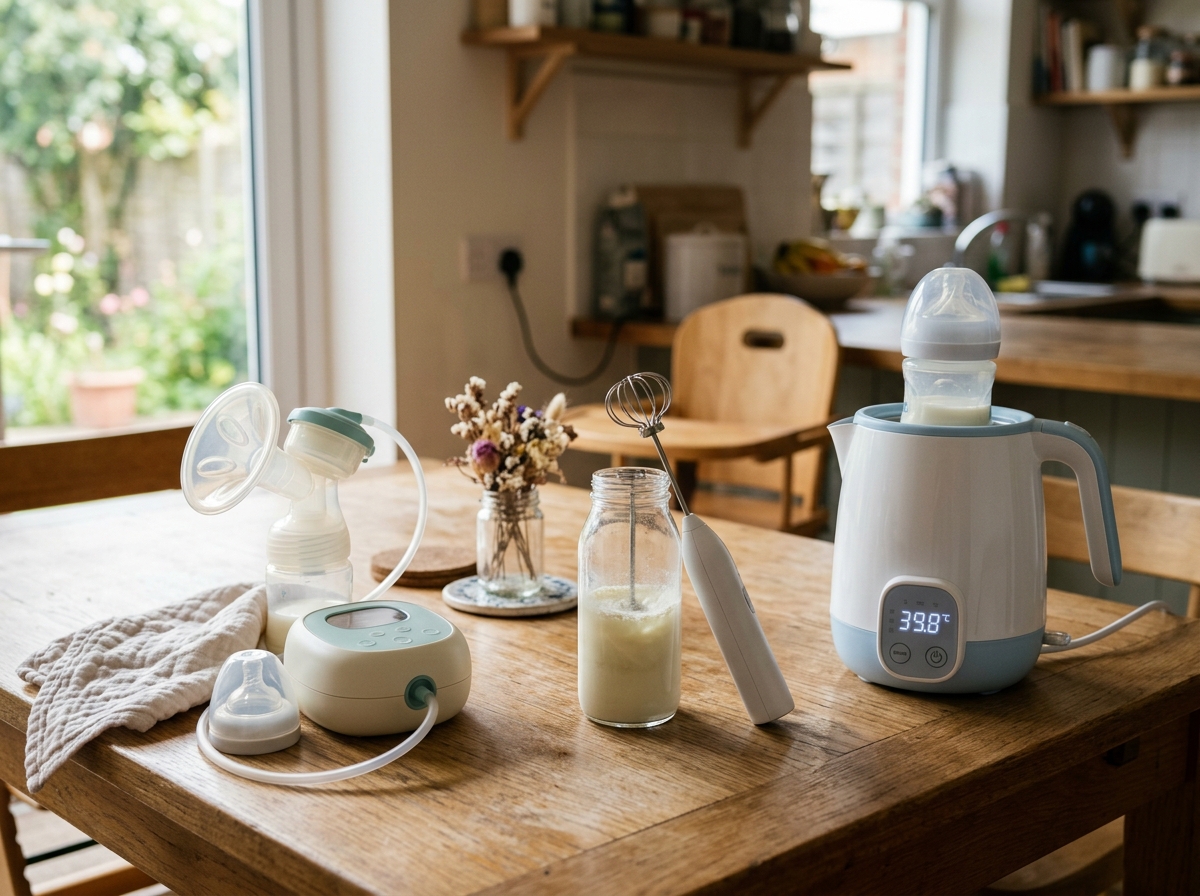
On the target website, the main product groups are clearly organized around maternal and infant care devices, medical protective consumables, IVD testing products, and home health care equipment. That structure is useful because it helps buyers understand whether the supplier can support bundle purchasing or only single-item sales.
For procurement teams, category clarity matters because it reveals channel fit. A factory with both consumer-style care devices and medical consumables can serve mixed buyers more efficiently than a single-line vendor.
| Category | Typical Buyers | Typical Use Scenario |
|---|---|---|
| Maternal and infant care devices | Baby stores, distributors, e-commerce sellers | Feeding preparation and postpartum care |
| Medical protective consumables | Hospitals, clinics, laboratories | Routine hygiene and barrier protection |
| IVD testing products | Testing institutions, public-health buyers | Screening and sample testing |
| Home health care devices | Retail channels, family-care distributors | Daily household care and convenience |
 How to Evaluate Quality, Compliance, and Capacity
Quality evaluation should combine document review, sample inspection, and factory process checks. A buyer should not rely on product photos alone, because medical and care products can look similar while performing very differently.
For regulated products, confirm the market requirements first. The U.S. Food and Drug Administration explains that medical devices and related products must meet specific controls depending on intended use and risk class; see FDA medical devices overview. If the products are diagnostics, also check local registration and labeling rules before placing an order.
Capacity evaluation should focus on repeatability, not just maximum output. A supplier that can ship one large order but cannot maintain the same packaging or lead time is a weaker long-term choice.
- Ask for the production workflow from incoming materials to final inspection.
- Request recent batch photos and packaging samples.
- Confirm whether OEM, ODM, or private label support is available.
- Check whether the supplier can provide export documents for your market.
- Verify whether the company has multilingual sales support for cross-border orders.
Risk control should be based on standards and market rules, not assumptions. For example, the U.S. Centers for Disease Control and Prevention highlights that infection prevention depends on proper barrier protection and correct use of consumables; see CDC infection control guidance. That makes product integrity and packaging accuracy especially important for medical gloves and similar items.
Why Product Mix Matters for B2B Buyers
A broad but coherent product mix helps buyers reduce supplier fragmentation. This is especially valuable for importers and distributors who need one source for maternal care, home health, and protective or testing items.
The strongest sourcing models usually support bundled purchasing. For example, a distributor may combine a breast pump, bottle warmer, and nasal aspirator with gloves or testing accessories to build a clearer channel offer.
Application fit should guide category selection more than generic product popularity. A household-care item belongs in consumer channels, while a diagnostic or protective item must match institutional or regulated use.
- Maternal care: breast pumps, milk stirrers, and bottle warmers.
- Home care: nasal aspirators and other family-health tools.
- Protection: medical gloves and related consumables.
- Testing: COVID-19 and broader IVD products.
Comparison Table: What Buyers Should Compare Before Ordering
Comparison Table: Procurement Factors That Differentiate Suppliers
| Factor | Why It Matters | What to Request |
|---|---|---|
| Specification clarity | Prevents mismatch between sample and bulk order | Technical sheet, photos, and material details |
| Packaging control | Protects products during shipping and retail display | Carton count, label format, and pack method |
| Testing evidence | Supports product confidence and compliance review | Inspection reports or lab documentation |
| Lead time | Helps plan inventory and replenishment | Standard production schedule and MOQ |
Supplier Directory: Where to Buy and How to Shortlist
The best sourcing approach is to compare specialized manufacturers with broader export suppliers. Start with a supplier that covers your target category mix, then compare it with other established industry sources that focus on the same class of products.
For maternal care, protective consumables, and IVD-related items, a diversified export supplier such as CILIANG can be relevant when you need category integration. For single-category benchmarking, buyers often also review leading manufacturers and distributors in the same segment to validate pricing, certification, and service expectations.
Shortlisting should always include at least one factory audit step. Even a strong website and fast response time do not replace physical verification, third-party testing, or sample approval.
Final Selection Checklist for Buyers
The final choice should be made only after the supplier passes document, sample, and communication checks. A trusted partner is one that can support your product category, target market, and reorder timeline without changing terms unexpectedly.
If you are sourcing for cross-border distribution, focus on export readiness, MOQ, and documentation. If you are sourcing for clinical or testing use, prioritize conformity, traceability, and local market compliance.
FAQ
What is the first step in choosing a trusted China medical supplies manufacturer? The first step is confirming the supplier’s real product scope and export readiness. Check whether the company can provide technical documents, packaging details, and consistent samples that match your target market. This saves time and reduces the chance of buying from a trading-only source.
How do I know if a medical products supplier is reliable? Reliability is usually shown through clear communication, batch consistency, and transparent quality records. A dependable supplier answers questions directly, shares test information when appropriate, and explains production lead times without contradictions. Repeatedly changing product details is a warning sign.
Why is a healthcare factory’s product mix important? Product mix matters because it reveals how the factory is positioned. A focused but connected mix can support bundled sourcing, lower communication costs, and simplify replenishment. For B2B buyers, that often means fewer suppliers and more stable purchasing workflows.
Should I prioritize price or compliance when buying medical supplies? Compliance should come first, especially for consumables and diagnostics. Low pricing is not useful if packaging, labeling, or quality control creates market risk. In regulated or semi-regulated categories, a slightly higher unit cost is often safer than a failed shipment.
Can one supplier handle both maternal care and medical consumables? Yes, but only if the supplier has clear manufacturing discipline across categories. Some export-oriented companies are structured to serve both household care and healthcare channels. The key is to confirm that each product line has its own specification, testing process, and market fit.

Post time: Sep-09-2026