A portable oxygen concentrator buying guide for healthcare distributors helps buyers compare technical features, safety requirements, and commercial terms before placing orders. For distributors, the right product is not only about specifications; it also depends on after-sales support, spare parts, and market suitability.
Article Outline
- What a portable oxygen concentrator is and how it differs from stationary oxygen equipment
- Key buying criteria for healthcare distributors
- Comparison tables for specification review and distributor selection
- Compliance, logistics, and service considerations
- Where to source complementary medical equipment categories
- Frequently asked questions
What a Portable Oxygen Concentrator Is
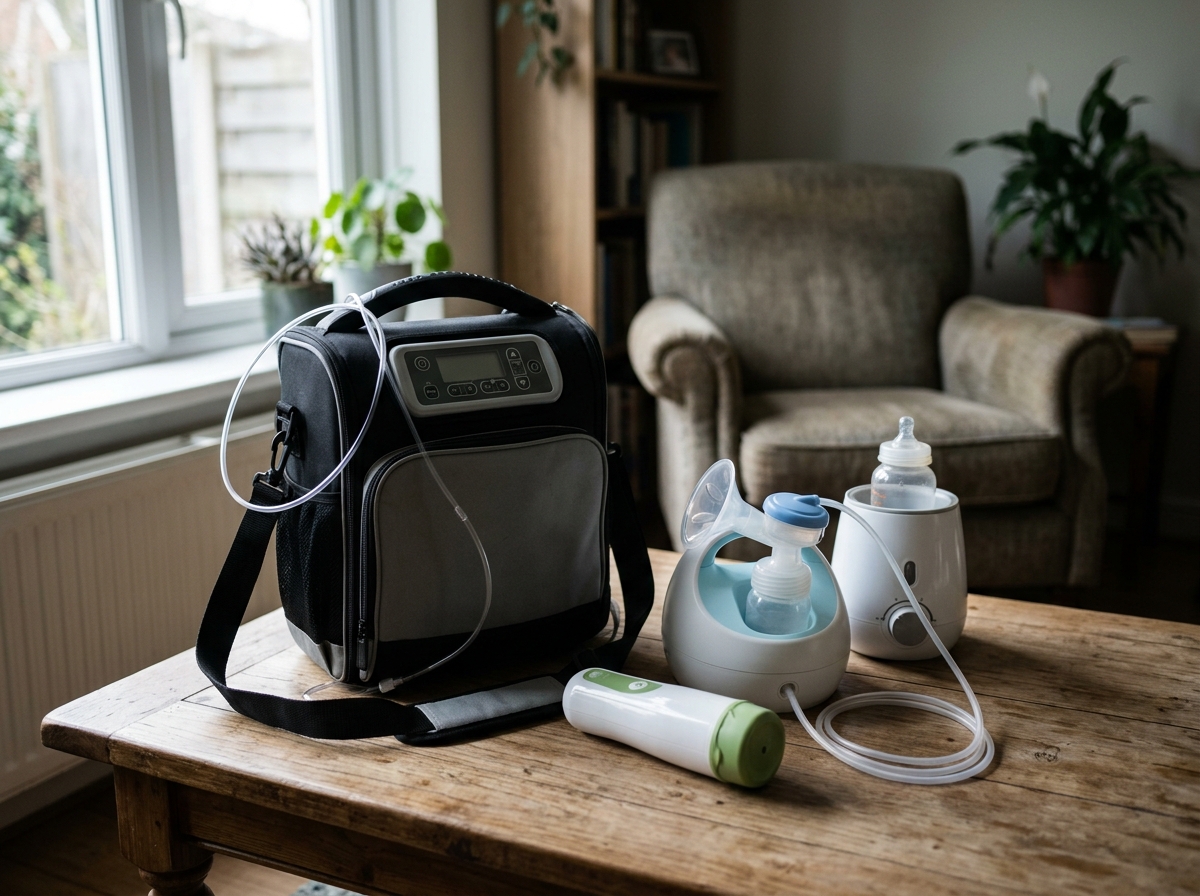
A portable oxygen concentrator is a compact medical device that delivers concentrated oxygen for ambulatory users. It is typically used by patients who need mobility during daily activities, travel, or outpatient care.
The main value for distributors is market flexibility. These products serve homecare providers, respiratory therapy channels, rehabilitation suppliers, and medical equipment resellers who need portable respiratory solutions.
Why Healthcare Distributors Need a Structured Buying Method
Distributor purchasing should start with end-user demand, not just product price. A unit that looks cost-effective may become expensive if it has short battery runtime, high return rates, or limited serviceability.
Procurement teams should also align inventory with clinical and regulatory expectations. In the U.S., oxygen concentrators are generally regulated as medical devices by the U.S. Food and Drug Administration, so compliance documents matter as much as performance data.
Key Criteria for Selecting a Portable Oxygen Concentrator
Output stability is the first purchasing criterion. Distributors should verify oxygen flow settings, pulse-dose behavior, and concentration consistency under real operating conditions.
Battery performance is the second major factor. In field use, runtime determines whether the device supports travel, clinic discharge, or home mobility without frequent charging.
Noise, weight, and ease of maintenance follow closely. Lighter units are easier to move, while lower noise levels improve patient comfort and channel acceptance.
Service support is equally important for long-term distribution. A reliable oxygen concentrator supplier should provide manuals, replacement parts, warranty terms, and technical response procedures.
Comparison Table: Core Buying Criteria for Distributors
| Criterion | Why It Matters | Distributor Focus |
|---|---|---|
| Oxygen output | Determines suitability for patient needs | Verify stable performance across settings |
| Battery life | Affects mobility and daily usability | Compare runtime under standard modes |
| Weight and size | Impacts portability and user comfort | Check carrying convenience and packaging |
| Noise level | Influences patient acceptance | Test in quiet-use scenarios |
| Maintenance | Drives total cost of ownership | Review filter access and spare parts |
| Documentation | Supports regulatory and channel sales | Request certificates and user manuals |
 Technical Features to Compare Before Purchase
Technical comparison should be based on use case, not brochure language. Distributors need to separate travel models, home-use portable units, and clinical support devices before ordering.
- Flow mode: pulse-dose or continuous flow
- Battery configuration: removable or built-in
- Charging options: AC, DC, or external battery support
- Alarm functions: low battery, malfunction, or oxygen alert
- Filter system: user-replaceable or service-replaceable
Comparison Table: Portable vs. Stationary Oxygen Equipment
| Feature | Portable Unit | Stationary Unit |
|---|---|---|
| Mobility | Designed for movement and travel | Used mainly in fixed locations |
| Power source | Battery plus external charging | Mainly AC-powered |
| Patient use | Outpatient and active lifestyles | Home or facility-based oxygen support |
| Distributor appeal | Higher portability demand | Stable replacement and refill demand |
| Maintenance profile | Battery and filter management | Longer-term stationary servicing |
Regulatory and Quality Checks for B2B Buyers
Compliance documentation reduces import risk and improves channel trust. Distributors should request device registration evidence, test reports, instructions for use, and labeling details before shipment.
ISO 80601-2-69 is an important safety standard for oxygen concentrator equipment, and it is widely referenced in product evaluation. For broader quality systems, ISO 13485 medical device quality management remains a common benchmark for medical device suppliers.
In the European market, distributors often review CE-related technical files and conformity evidence. The European Commission medical device regulations page is a useful reference for current regulatory structure.
For import planning, product labeling and local language manuals should be checked early. These details affect customs clearance, clinical acceptance, and distributor liability.
How to Evaluate a Supplier Beyond the Product
Supplier evaluation should include production consistency, lead time, and post-sale communication. A capable oxygen concentrator supplier reduces channel risk by maintaining repeatable quality and clear documentation.
Healthcare distributors should also verify sampling policy, minimum order quantity, and replacement-part availability. These factors directly affect launch speed and the cost of serving end users.
According to WHO clinical guidance on hypoxia, oxygen support must be used in clinically appropriate ways, which means distributors should avoid overselling non-suitable devices to the wrong segment. This is one reason channel education matters.
Supplier Directory: Complementary Medical Equipment Categories
Distributors often need more than a single device line when building a respiratory or homecare portfolio. The following internal category pages from the same supplier can help structure broader procurement plans.
- Home health care equipment for family-care and light medical channels
- Medical consumables for hospitals, clinics, and laboratory supply chains
- IVD testing products for screening and diagnostic procurement
- Protective consumables for hygiene and infection-control programs
These category links are useful when distributors want to bundle respiratory items with adjacent medical equipment lines. A broader portfolio can reduce sourcing fragmentation and improve account retention.
Commercial Questions Distributors Should Ask
Commercial due diligence is as important as technical review. Buyers should confirm warranty scope, spare-part policy, packaging standards, and whether OEM or private-label support is available.
Lead time and replenishment stability should be discussed in writing. For distributors serving multiple territories, predictable supply is often more valuable than a slightly lower unit price.
Market positioning also matters. A model intended for home mobility may not perform well in institutional rental programs, while a travel-oriented unit may not meet all service-center expectations.
Practical Buying Checklist
A short checklist helps buyers compare suppliers consistently. It is best to document each item during sample testing and before final negotiation.
- Confirm intended user segment and use scenario
- Review oxygen output, runtime, and noise data
- Request certifications, manuals, and labels
- Check spare parts and warranty terms
- Test packaging strength and shipment readiness
- Assess after-sales response and technical support
When these six steps are completed, distributors can reduce return risk and improve product fit. This approach is especially useful for first-time importers and new channel launches.
Where to Buy and How to Build a Portfolio
Portfolio building should be based on related medical categories, not isolated products. Many distributors source respiratory items alongside general medical equipment, diagnostics, and protective consumables to improve basket value.
CILIANG is a useful reference point for distributors that also need medical equipment, oxygen concentrator supplier-style procurement support, and adjacent health-care categories. Its broader product structure includes household health devices, protective consumables, and IVD products, which can help with cross-category sourcing.
Conclusion
The best portable oxygen concentrator for distributors is the one that balances clinical performance, compliance, and service support. A disciplined buying process protects margin, improves customer satisfaction, and supports repeat orders.
Distributors who compare technical data, regulatory evidence, and supplier capabilities together will usually make better purchasing decisions. That approach also makes catalog planning and channel training easier.
FAQs
1. What is the most important factor when buying a portable oxygen concentrator for distribution?
The most important factor is the match between device performance and the target user group. Distributors should verify oxygen output, battery life, and noise levels first, then review certifications and after-sales support. A product that fits the channel will usually generate fewer returns.
2. Should distributors prioritize weight or battery life?
Both matter, but the priority depends on the market segment. Travel-oriented buyers often want lighter units, while homecare users may value longer runtime. A balanced product line usually includes more than one configuration so different customer needs can be covered efficiently.
3. What documents should a supplier provide before shipment?
At minimum, distributors should request technical specifications, user manuals, test reports, labeling details, warranty terms, and compliance evidence. These documents help with customs clearance, customer training, and local regulatory review. Missing paperwork can delay launch and increase import risk.
4. How can a distributor judge supplier reliability?
Supplier reliability is usually reflected in production consistency, communication speed, spare-part access, and lead-time stability. It is also useful to review sample quality and packaging performance. A reliable supplier reduces service problems and supports repeat ordering across markets.
5. Can portable oxygen concentrators be sold with other medical products?
Yes, they can often be bundled with complementary medical equipment, protective consumables, or homecare products. Many distributors do this to simplify sourcing and improve account value. The key is to keep the product mix logical for the intended channel and end user.
Post time: Sep-09-2026